







Cosmetics
MB Research has been the trusted toxicology partner for cosmetic and personal care brands for decades, delivering GLP-compliant safety assessments for raw materials, formulas, and finished products. Our scientists specialize in 21st-century approaches to risk assessment — including in vitro alternatives such as ocular irritation, dermal irritation, phototoxicity, and corrosivity testing — reducing reliance on animal models while meeting rigorous scientific standards. We help cosmetic brands navigate complex global regulatory frameworks, including the EU Cosmetics Directive (76/768/EEC), ensuring your ingredients and products meet international safety requirements. Whether accelerating new product development or validating ingredient safety, MB Research provides the expert guidance that leading cosmetics companies rely on.

Consumer Products
Consumer product manufacturers must demonstrate the safety of their goods to regulators and consumers alike, especially as public scrutiny of ingredient safety continues to grow. MB Research offers end-to-end acute toxicology and safety assessment services — including oral, dermal, and inhalation exposure studies — designed to help consumer goods companies meet CPSC, EPA, and international regulatory requirements. Our scientists evaluate cleaning products, household chemicals, personal care goods, and other consumer-facing formulations using both traditional and modern in vitro testing methods. With thorough documentation and regulatory-ready study reports, MB Research equips your product safety team with the data needed to launch with confidence.
Medical devices
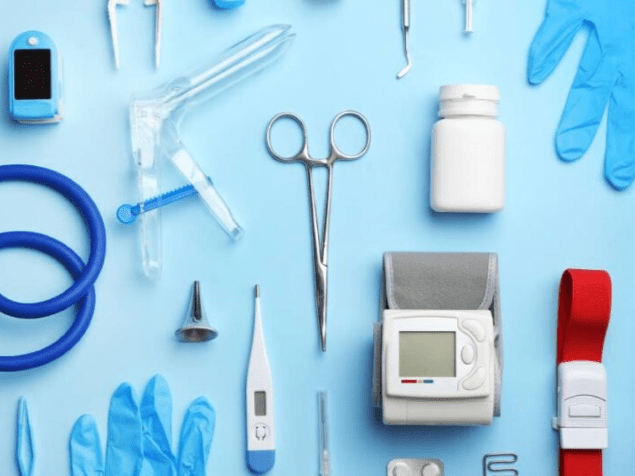
Medical device manufacturers rely on MB Research for ISO 10993-compliant biocompatibility and cytotoxicity testing to support 510(k) submissions and PMA applications. Our laboratory conducts cytotoxicity assays, sensitization studies, and extractable and leachable (E&L) toxicology evaluations that meet FDA and global regulatory expectations for device safety. We understand the unique challenges of device material testing — from polymers and metals to drug-device combination products — and tailor study designs to the specific intended use and patient contact duration of each device. With fast turnaround times and regulatory-ready reports, MB Research helps device companies move efficiently through the approval process.
Industrial Chemicals
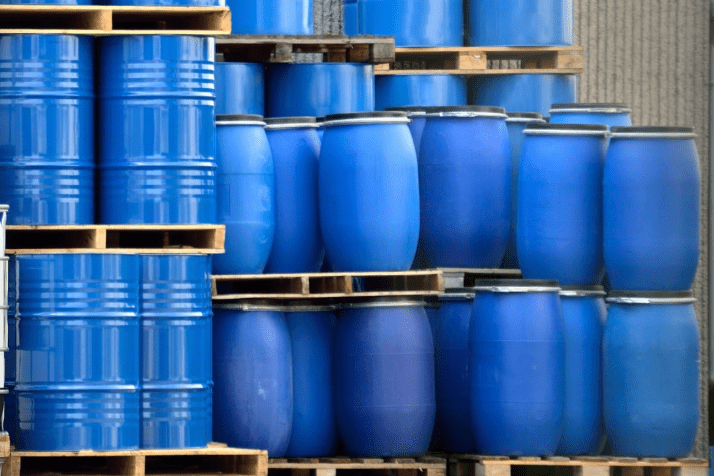
Industrial chemical manufacturers face increasing regulatory pressure to characterize the hazard and toxicological profile of their substances before market entry. MB Research offers comprehensive acute toxicity testing, including oral, dermal, and inhalation studies, conducted in accordance with GLP standards to support TSCA, REACH, and global chemical regulations. Our scientific team provides thorough dose-response data and safety data sheet (SDS) support, enabling manufacturers to fulfill regulatory obligations with confidence. With decades of experience across chemical classes, we help companies reduce time-to-market while maintaining the highest standards of safety documentation.
Pharmaceuticals
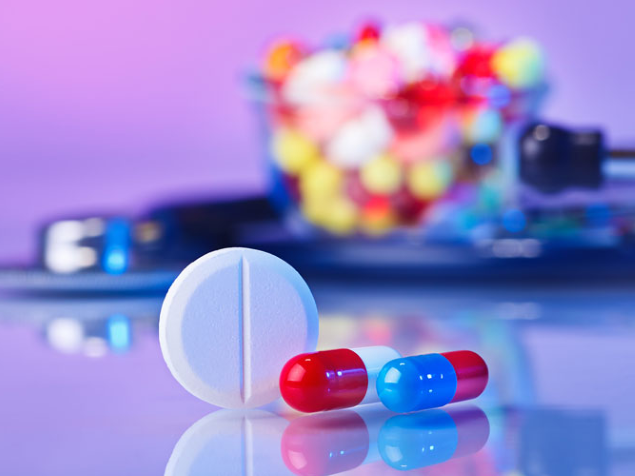
Pharmaceutical companies rely on MB Research to deliver the acute toxicity, repeat-dose, and genotoxicity data required to meet FDA and ICH regulatory guidelines. We conduct single-dose and repeat-dose toxicity studies along with genotoxicity assays — including the Ames Test and Unscheduled DNA Synthesis (FLUDS) — on APIs, excipients, and formulated products, all performed in accordance with GLP standards. Our studies generate regulatory-ready data packages with thorough scientific reporting, giving pharmaceutical clients confidence when submitting safety data to the FDA, EMA, and other global health authorities. With our expertise supporting the pharmaceutical industry, MB Research is a reliable and efficient CRO partner for your preclinical safety testing needs.

